

Structure
The order and shape of chapters and whether each one earns its place.
There is no point polishing sentences in a chapter that should not be there. Developmental editing looks at the manuscript as a whole: whether the story or argument holds together, whether the pacing works, and whether readers will care enough to keep going.
Tell us about your book. A publishing consultant will reply within one business day.
Your details and manuscript stay confidential.
The order and shape of chapters and whether each one earns its place.
Cause and effect, logic, and payoff.
Motivation, growth, and consistency.
Where the book drags, where it rushes, and how to balance it.
Whose story it is and whether the telling fits.
Whether the book meets the expectations of its genre and readers.
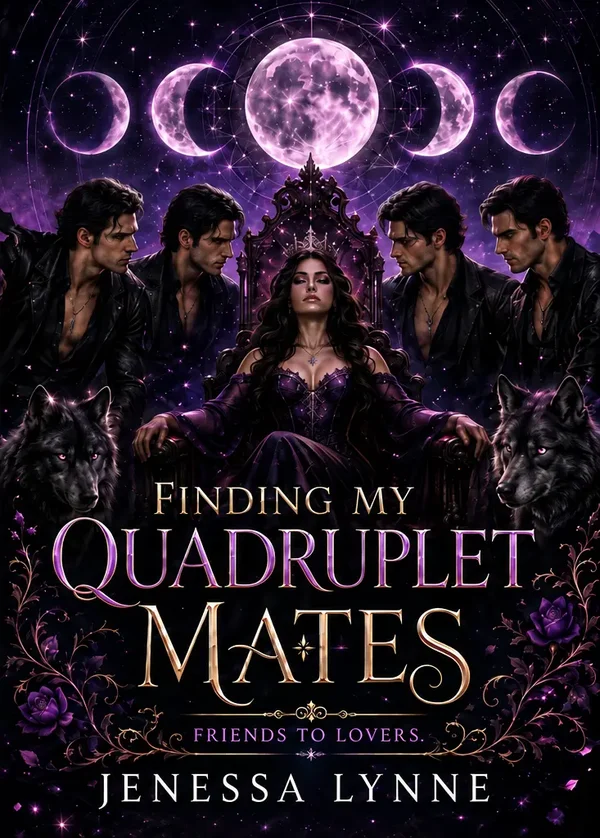
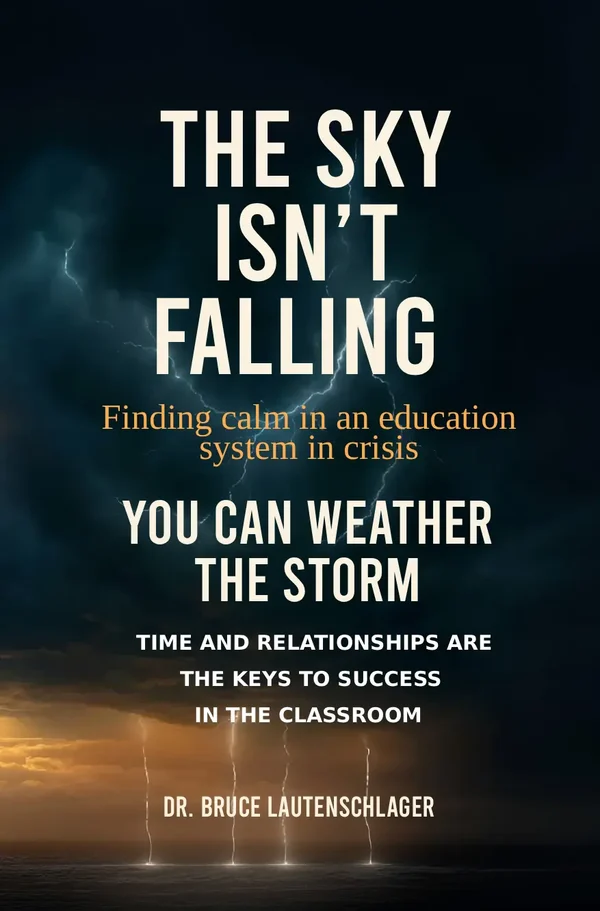

The best time is after you have a complete draft and have revised it at least once yourself. At that point you know the story, but you are too close to see its structural problems. A developmental edit gives you a clear map for the next draft.
If you have not finished the draft yet, a manuscript assessment or outline review can help you avoid the biggest problems before you write them.
Tell us where your manuscript stands. You will get an honest assessment and an itemized quote before any work begins.
Second line: (737) 220-1842 · info@pacificpublishinghouse.com
Straight answers to what authors ask us most. If yours is not here, ask us directly.
No. They diagnose problems and suggest solutions. You do the revision, though we can offer rewriting help separately.
For most first-time authors, yes. Fixing structural problems early saves money on later rounds of editing.
Yes. For non-fiction we focus on argument, structure, and whether each chapter delivers on the book's promise.